Challenges in the Plantain Chips Business in Nigeria, Step-by-Step Production Process & How to Make Sweet (Sugar-Coated) Plantain Chips
Challenges in the Plantain Chips Business in Nigeria, Step-by-Step Production Process & How to Make Sweet (Sugar-Coated) Plantain Chips
Starting a plantain chips business in Nigeria is easy.
Building a profitable, scalable, and sustainable plantain chips brand is the real challenge.
Many producers enter the market with excitement, only to struggle with:
-
Inconsistent quality
-
Rising production costs
-
Poor shelf life
-
Rejection by supermarkets
-
Low profit margins
In this episode, we go beyond surface-level advice and break down the real challenges in the plantain chips business, how to overcome them, and how proper equipment and process design determine success or failure.
Major Challenges in the Plantain Chips Business (And Real Solutions)
1. Excessive Oil Consumption (Silent Profit Killer)
One of the biggest hidden challenges in the plantain chips business is oil wastage.
Many small producers complain:
-
“Oil finishes too fast”
-
“Cost of production is too high”
-
“Profit keeps reducing”
This is rarely due to oil prices alone.
Root Causes:
-
Poor temperature regulation
-
Manual frying methods
-
Low-quality frying pots
-
Overcrowding during frying
When oil temperature fluctuates, plantain absorbs excess oil, leading to:
-
Greasy chips
-
Poor taste
-
Short shelf life
-
Higher production cost
Professional Solution:
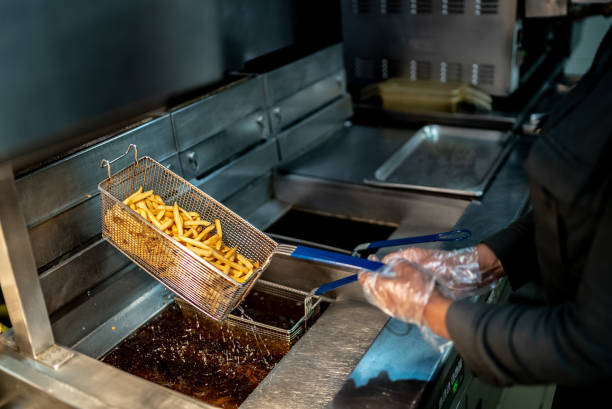
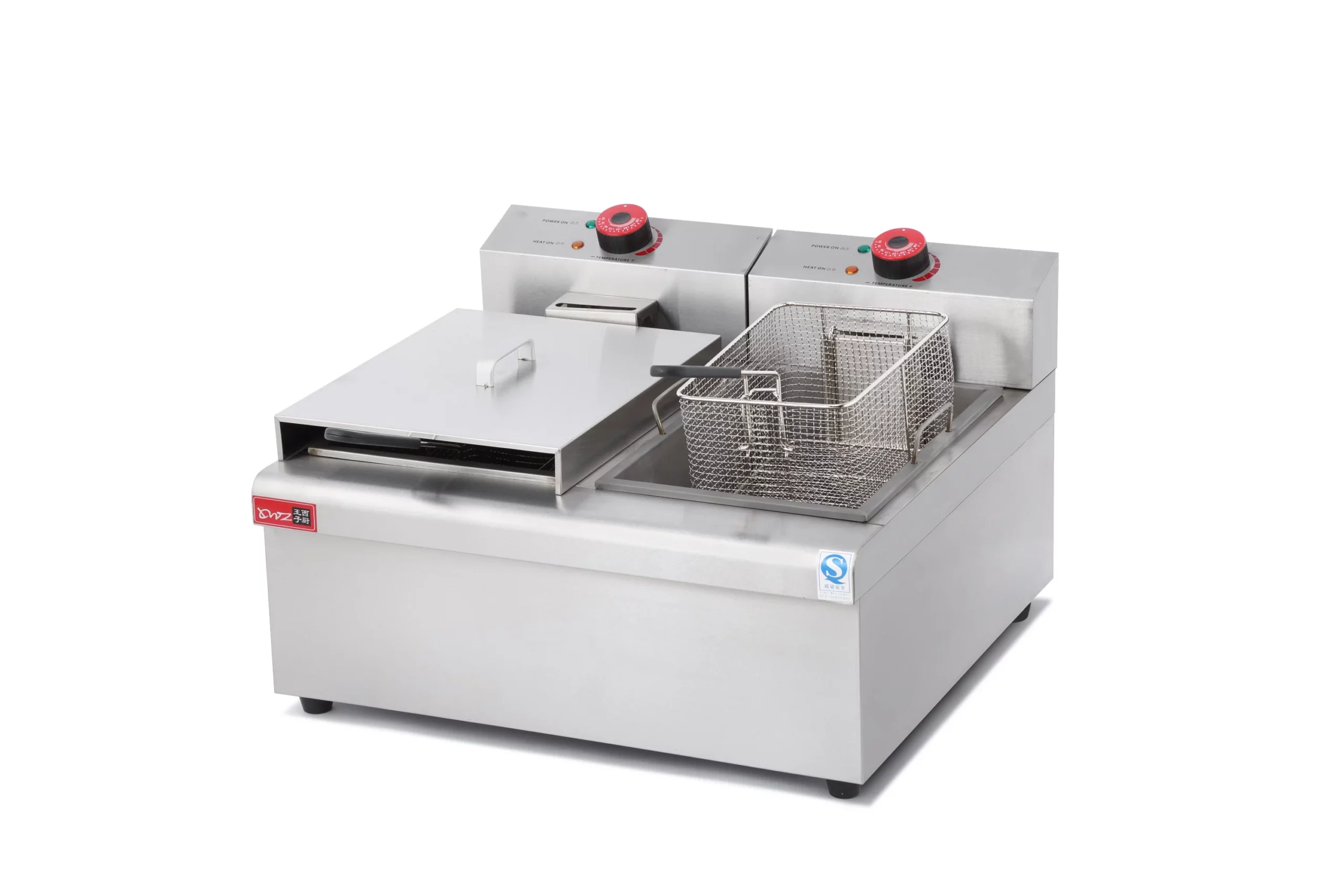
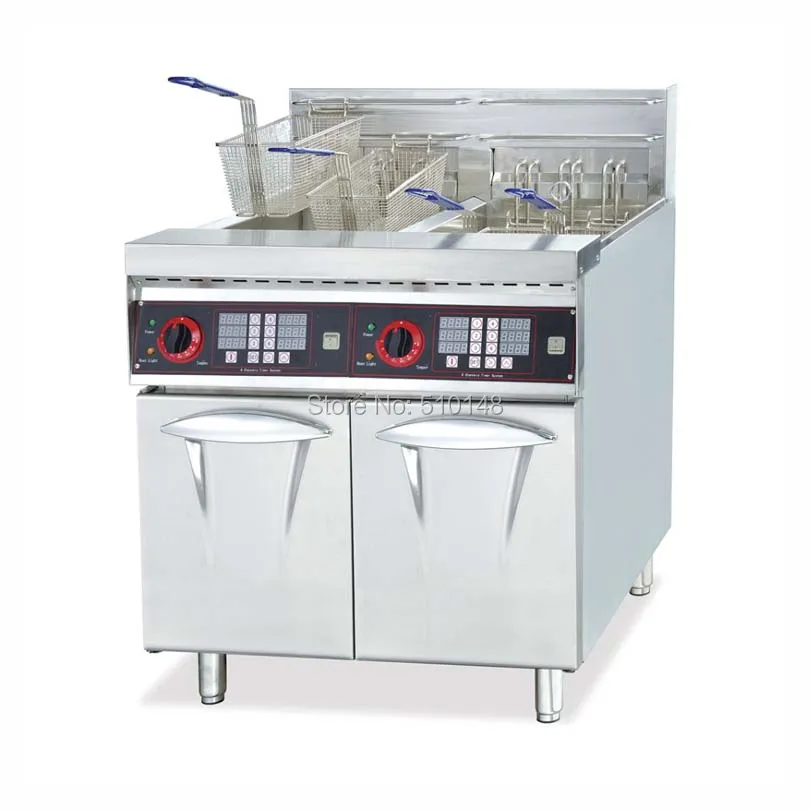
A commercial deep fryer with temperature control, like those supplied by Afess Industrial Equipments, ensures:
-
Even frying
-
Reduced oil absorption
-
Faster batch cycles
-
Consistent product quality
This alone can increase profit margins by 20–40%.
2. Inconsistent Taste, Color & Texture
Customers may not complain directly — they simply stop buying.
Common issues include:
-
Some chips too dark
-
Some undercooked
-
Uneven crispiness
-
Burnt taste
Why This Happens:
-
Uneven slicing thickness
-
Manual cutting
-
Inconsistent frying time
-
Poor oil circulation
Business Impact:
-
Loss of repeat customers
-
Difficulty building a brand
-
Rejection by retailers
Solution:
-
Uniform slicing using food slicers
-
Controlled frying temperature
-
Standardized production process
-
Stainless steel work surfaces for hygiene
This is why supermarkets prefer producers using industrial-grade equipment, not improvised tools.
3. Short Shelf Life & Product Spoilage
Shelf life is one of the most important success factors in the plantain chips business.
Many producers struggle with:
-
Chips going stale quickly
-
Moisture build-up inside packaging
-
Mold growth
-
Loss of crunch
Causes:
-
Poor oil draining
-
Packaging while chips are still hot
-
Weak sealing
-
High moisture content
Professional Fix:
-
Oil draining systems
-
Proper cooling before sealing
-
Food-grade packaging
-
Consistent production environment
Afess equipment is designed to support commercial food hygiene standards, which directly improves shelf life and product safety.
4. Difficulty Entering Supermarkets & Stores
This is where many businesses hit a wall.
Supermarkets care about:
-
Hygiene standards
-
Production consistency
-
Packaging quality
-
Ability to restock reliably
Even if your chips taste good, supermarkets may reject you if:
-
Production looks unprofessional
-
Equipment is unsafe
-
Quantity cannot be sustained
How to Overcome This:
-
Upgrade from manual to semi-industrial production
-
Invest in stainless steel equipment
-
Maintain standardized batch output
-
Present professionally packaged products
This is why many successful snack brands started small but invested early in the right equipment.
Step-by-Step Guide: How to Start and Run a Successful Plantain Chips Business
Step 1: Business Planning
Define:
-
Target market (street sales, supermarkets, wholesalers)
-
Production capacity
-
Pricing strategy
A clear plan prevents wasteful spending.
Step 2: Equipment Setup (Non-Negotiable)
Your equipment determines:
-
Speed
-
Quality
-
Hygiene
-
Profitability
Essential plantain chips equipment:
-
Commercial deep fryer
-
Food slicer
-
Stainless steel tables
-
Oil draining system
-
Packaging & sealing machine
Step 3: Raw Material Selection
-
Use unripe or slightly ripe plantain
-
Avoid bruised or overripe plantain
-
Buy in bulk from reliable suppliers
Consistency starts from sourcing.
Step 4: Production Process
-
Washing & peeling
-
Uniform slicing
-
Controlled frying
-
Oil draining
-
Cooling
-
Packaging & sealing
Each step must be standardized to maintain quality.
How to Make Sweet (Sugar-Coated) Plantain Chips (Value-Added Product)
Adding sweet plantain chips increases:
-
Product variety
-
Customer reach
-
Profit potential
Process:
-
Use semi-ripe plantain
-
Slice thinly and evenly
-
Fry at slightly lower temperature
-
Drain oil completely
-
Apply sugar glaze lightly
-
Allow to cool and dry
-
Seal properly
Sweet variants are especially popular among:
-
Children
-
Office workers
-
Retail outlets
Scaling the Plantain Chips Business
Once production is stable, focus on:
-
Branding
-
Distribution
-
Bulk supply
-
Retail partnerships
Businesses that scale successfully usually:
-
Reduce manual processes
-
Increase automation
-
Improve packaging
-
Maintain strict hygiene
Afess supports this growth with durable, scalable food processing equipment designed for Nigerian conditions.
Why Afess Industrial Equipments Ltd Matters in Your Growth Journey
Afess is more than an equipment supplier.
We support food entrepreneurs with:
-
Commercial-grade stainless steel equipment
-
Durable fryers with temperature control
-
Scalable food processing solutions
-
Equipment suitable for continuous production
-
Support for startups and growing brands
Website: https://afess.ng
📞 Contact: 09169838312 | 08137500323
Watch Afess Equipment in Action
Instagram:
https://www.instagram.com/p/DQT3Yi8jM89/
YouTube:
https://youtube.com/shorts/uWbkv1yAWEo
Final Takeaway
The plantain chips business is not just about frying plantain — it is about:
-
Process
-
Equipment
-
Consistency
-
Branding
-
Scalability
When these elements are done right, plantain chips move from a small hustle to a serious food brand.